Engineering Note
Kafka 4.0 컨슈머 리밸런싱: 이제 조율은 브로커가 한다
Apache Kafka 4.0에서 GA가 된 새 리밸런싱 프로토콜을 정리합니다. 기존 프로토콜과 무엇이 다르고, 브로커 측 할당과 점진적 리밸런싱이 운영에 어떤 의미를 갖는지 다룹니다.
Kafka 컨슈머 그룹을 운영하다 보면 리밸런싱은 늘 신경 쓰이는 이벤트입니다.
컨슈머가 추가되거나 빠지고, 토픽 파티션이 늘어나고, 세션 타임아웃이 발생하면 그룹은 파티션 소유권을 다시 나눕니다. 이 과정에서 일부 컨슈머는 파티션을 반납하고, 새 할당을 받은 뒤 다시 poll()을 이어갑니다.
문제는 이 과정이 단순한 내부 구현 세부가 아니라 운영 체감에 직접 드러난다는 점입니다.
리밸런싱이 길어지면 처리 지연이 커진다.
컨슈머가 자주 흔들리면 lag이 계단처럼 튄다.
큰 그룹에서는 전체 동기화 비용이 더 크게 보인다.
Apache Kafka 4.0에서는 KIP-848, The Next Generation of the Consumer Rebalance Protocol이 GA가 되었습니다. Kafka 문서에서는 이를 새 컨슈머 리밸런싱 프로토콜로 설명합니다. 이 글에서도 새 리밸런싱 프로토콜이라고 부르겠습니다.
이 글의 핵심은 짧습니다.
새 프로토콜은 리밸런싱 조율의 중심을 컨슈머 클라이언트에서 브로커 그룹 코디네이터로 옮긴다.
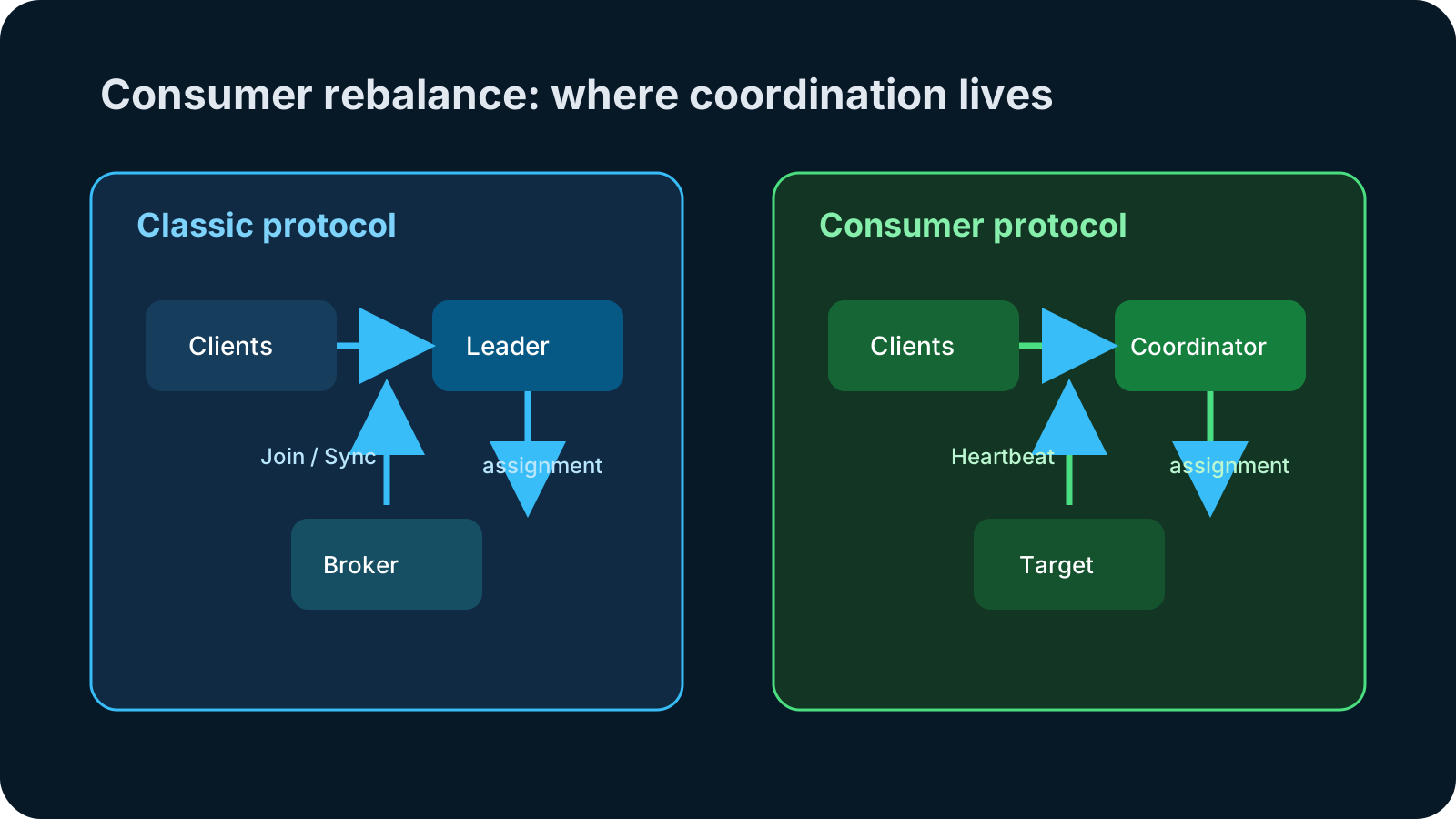
이 변화는 단순히 설정 이름이 바뀐 정도가 아닙니다. 컨슈머 그룹을 더 큰 규모에서 다루고, 리밸런싱 시간을 줄이고, 클라이언트 구현을 단순하게 만들기 위한 구조적 변화입니다.
기존 프로토콜에서는 누가 조율했나
기존 컨슈머 그룹 프로토콜은 이 글에서 기존 프로토콜이라고 부르겠습니다. classic이라는 표현은 Kafka 설정값이나 공식 문서 용어를 직접 가리킬 때만 사용하겠습니다.
기존 protocol의 흐름을 단순화하면 이렇습니다.
1. 컨슈머들이 그룹 코디네이터에 `JoinGroup` 요청
2. 코디네이터가 그룹 리더 컨슈머를 선택
3. 리더 컨슈머가 전체 멤버와 토픽 메타데이터를 보고 할당을 계산
4. 멤버들이 `SyncGroup`으로 할당을 수신
5. 각 컨슈머가 파티션을 반납하거나 할당받은 뒤 처리 재개
여기서 중요한 점은 파티션 할당을 브로커가 직접 계산하지 않는다는 것입니다. 브로커의 그룹 코디네이터는 그룹 멤버십을 조율하지만, 할당 전략은 컨슈머 클라이언트 쪽에 있고, 그룹 리더로 선출된 컨슈머가 할당을 계산합니다.
이 구조는 오래 잘 동작했습니다. 하지만 group이 커지고, consumer가 많아지고, subscription과 metadata가 복잡해질수록 몇 가지 부담이 드러납니다.
- Rebalance가 global synchronization barrier처럼 동작하기 쉽습니다.
- Leader consumer가 assignment 계산 책임을 가집니다.
- Client마다 assignor와 protocol metadata를 맞춰야 합니다.
- Rebalance 중 영향을 받지 않아도 되는 member까지 기다리는 비용이 생깁니다.
- Assignment policy가 client 배포와 강하게 묶입니다.
물론 cooperative rebalance 같은 개선도 있었습니다. CooperativeStickyAssignor는 모든 partition을 한 번에 revoke하는 eager rebalance보다 훨씬 나은 운영 경험을 줍니다. 하지만 기존 protocol의 큰 틀, 즉 client-side assignment와 group-level synchronization이라는 구조는 남아 있습니다.
Kafka 4.0의 새 rebalance protocol은 이 지점을 더 깊게 바꿉니다.
새 rebalance protocol은 무엇을 바꾸나
새 rebalance protocol에서는 group coordinator가 더 많은 책임을 갖습니다.
가장 큰 변화는 assignment가 server side로 이동한다는 점입니다.
기존 프로토콜:
  클라이언트 리더가 할당 계산

새 리밸런싱 프로토콜:
  브로커 그룹 코디네이터가 할당을 계산하고 조율
컨슈머는 더 이상 partition.assignment.strategy로 클라이언트 측 할당기를 나열하지 않습니다. 새 리밸런싱 프로토콜에서는 브로커 설정인 group.consumer.assignors가 서버 측 할당기 목록을 가집니다. 기본 내장 할당기는 uniform, range입니다.
컨슈머 쪽에서는 필요할 때 group.remote.assignor로 사용할 서버 측 할당기 이름을 지정할 수 있습니다. 지정하지 않으면 브로커의 group.consumer.assignors 목록에서 첫 번째 할당기가 기본값으로 선택됩니다.
설정 관점에서는 이렇게 보입니다.
# 컨슈머 클라이언트
group.protocol=consumer

# 선택 사항: 이름으로 서버 측 할당기 선택
group.remote.assignor=uniform
브로커 쪽에서는 다음 설정들이 중요해집니다.
# 브로커
group.consumer.assignors=uniform,range
group.consumer.heartbeat.interval.ms=5000
group.consumer.session.timeout.ms=45000
공식 컨슈머 설정 문서는 group.protocol이 classic 또는 consumer를 지원하며, consumer를 지정해야 새 리밸런싱 프로토콜을 사용한다고 설명합니다. 기본값은 아직 classic입니다.
즉 Kafka 4.0 브로커가 있다고 해서 모든 컨슈머 그룹이 자동으로 새 리밸런싱 프로토콜을 쓰는 것은 아닙니다.
서버: Kafka 4.0부터 새 프로토콜 사용 가능
클라이언트: group.protocol=consumer로 명시해야 사용
하트비트와 타임아웃도 브로커 쪽으로 이동한다
기존 프로토콜에서는 컨슈머 클라이언트가 heartbeat.interval.ms, session.timeout.ms 같은 값을 갖습니다.
새 리밸런싱 프로토콜에서는 이 설정들이 클라이언트에서 더 이상 사용되지 않습니다.
Kafka 문서는 group.protocol=consumer일 때 다음 클라이언트 설정과 API를 더 이상 사용할 수 없다고 설명합니다.
heartbeat.interval.ms
session.timeout.ms
partition.assignment.strategy
enforceRebalance()
enforceRebalance(String)
하트비트 간격과 세션 타임아웃은 브로커 설정으로 이동합니다.
group.consumer.heartbeat.interval.ms
group.consumer.session.timeout.ms
이 변화는 작지 않습니다.
기존 프로토콜에서는 컨슈머 애플리케이션마다 하트비트와 세션 타임아웃을 다르게 둘 수 있었습니다. 새 리밸런싱 프로토콜에서는 그룹 코디네이터가 멤버에게 하트비트 간격을 주고, 장애 감지 정책을 브로커 쪽에서 더 일관되게 관리합니다.
운영 관점에서는 “컨슈머 애플리케이션 설정”이던 일부 값이 “클러스터 정책”에 가까워진 셈입니다.
전역 동기화 장벽을 줄이는 점진적 설계
Kafka 문서는 새 프로토콜이 완전히 점진적으로 동작하며, 전역 동기화 장벽에 의존하지 않아 리밸런싱 시간을 줄인다고 설명합니다.
이 문장이 중요합니다.
기존 rebalance에서는 group 전체가 한 번에 join/sync 흐름을 통과하는 느낌이 강합니다. 어떤 member가 들어오거나 나가면 group 전체가 새 assignment를 기다리는 구간이 생길 수 있습니다.
새 rebalance protocol에서는 coordinator가 target assignment를 관리하고, member들이 자신의 assignment 변화만 점진적으로 반영하는 방향으로 움직입니다.
개념적으로는 다음 차이입니다.
기존 protocol:
  모두 멈추고 다시 모여 새 assignment를 받는 느낌

새 rebalance protocol:
  coordinator가 target assignment를 관리하고
  member가 필요한 partition 변화만 점진적으로 따라가는 느낌
물론 실제 구현은 더 복잡합니다. 하지만 운영자가 이해해야 할 핵심은 이것입니다.
rebalance가 group 전체를 덜 흔드는 방향으로 바뀐다.이것이 Kafka 4.0 새 rebalance protocol의 가장 큰 의미입니다.
왜 이 변화가 중요한가
첫째, 큰 consumer group에서 의미가 큽니다.
Consumer 수가 많고 partition 수가 많을수록 rebalance coordination 비용은 더 잘 보입니다. Rebalance가 몇 초만 길어져도 처리 지연, lag, downstream 지연이 같이 흔들릴 수 있습니다.
새 rebalance protocol은 group coordinator가 assignment를 관리하고 incremental하게 변화를 전파하므로, large group에서 더 나은 확장성을 기대할 수 있습니다.
둘째, client 구현이 단순해집니다.
기존 protocol에서는 client가 assignor, subscription metadata, leader assignment 계산, cooperative/eager behavior를 이해해야 했습니다. 새 rebalance protocol은 이 중 일부 책임을 broker로 옮깁니다.
이 방향은 특히 다양한 언어의 Kafka client 생태계에서 중요합니다. Assignment와 rebalance 핵심 로직이 broker 쪽으로 이동하면, client별 구현 차이를 줄일 여지가 생깁니다.
셋째, 운영 정책이 중앙화됩니다.
Assignor 목록, heartbeat interval, session timeout이 broker 쪽 설정으로 이동합니다. 이는 consumer group 동작을 cluster 운영 정책으로 다룰 수 있게 한다는 의미입니다.
넷째, rebalance를 더 관측 가능한 대상으로 만들 수 있습니다.
Kafka 문서는 새 protocol 사용 시 improved threading model에 대한 visibility를 제공하는 consumer metric이 추가됐다고 설명합니다. Rebalance가 client 내부에서만 복잡하게 일어나는 것이 아니라, group coordinator 중심의 protocol로 정리되면 운영자가 볼 수 있는 신호도 더 명확해집니다.
그렇다고 모든 문제가 사라지는 것은 아니다
새 rebalance protocol은 중요한 개선이지만 만능은 아닙니다.
Kafka 문서의 limitations에는 두 가지가 명시되어 있습니다.
Client-side assignors are not supported.
Rack-aware assignment strategies are not fully supported.
즉 기존에 custom client-side assignor를 강하게 사용하던 환경이라면 바로 전환하기 어렵습니다. 새 protocol에서는 server-side assignor 모델을 받아들여야 합니다.
또한 rack-aware assignment를 강하게 의존하는 환경에서는 지원 상태를 확인해야 합니다.
Regex subscription도 주의할 점이 있습니다. 새 rebalance protocol에서 subscribe(SubscriptionPattern) 계열 API는 regular expression을 server side에서 평가하고, RE2J format을 사용합니다. 기존 Java regex 가정과 차이가 있을 수 있으므로 pattern subscription을 쓰는 consumer는 확인이 필요합니다.
업그레이드는 어떻게 생각해야 하나
Kafka 문서는 offline upgrade와 online upgrade를 모두 설명합니다.
Offline 방식은 단순합니다.
consumer group을 모두 중지
group.protocol=consumer로 consumer 재시작
group이 비어 있는 상태에서 기존 protocol <-> 새 protocol 변환
단점은 consumer group을 내려야 한다는 것입니다.
Online upgrade도 가능합니다. Consumer application을 group.protocol=consumer 설정으로 rolling out하면 첫 새 protocol consumer가 group에 join할 때 group이 기존 protocol에서 새 protocol로 변환됩니다. 다만 문서는 이 방식이 custom metadata를 embed하지 않는 assignor를 사용하는 기존 group에서만 가능하다고 설명합니다.
따라서 운영에서는 이렇게 접근하는 편이 좋습니다.
1. broker가 Kafka 4.0 이상인지 확인
2. group.consumer.* broker 설정 검토
3. 기존 consumer의 assignor 확인
4. custom client-side assignor 사용 여부 확인
5. regex subscription 사용 여부 확인
6. 작은 consumer group에서 group.protocol=consumer 테스트
7. lag, rebalance metric, assignment 변화 관찰
8. 중요 group으로 확장
설정 하나로 끝나는 migration이라기보다, rebalance ownership model을 바꾸는 migration으로 보는 것이 안전합니다.
기존 protocol과 새 protocol을 비교하면
요약하면 차이는 다음과 같습니다.
| 항목 | 기존 protocol | 새 protocol (group.protocol=consumer) |
|---|---|---|
| 사용 설정 | group.protocol=classic 또는 기본값 | group.protocol=consumer |
| assignment 계산 | group leader consumer | broker group coordinator |
| assignor 설정 | partition.assignment.strategy | broker group.consumer.assignors, client group.remote.assignor |
| heartbeat interval | client heartbeat.interval.ms | broker group.consumer.heartbeat.interval.ms |
| session timeout | client session.timeout.ms | broker group.consumer.session.timeout.ms |
| rebalance 성격 | global barrier 성격이 강함 | fully incremental design |
| client-side assignor | 지원 | 미지원 |
| 기존 사용성 | 안정적이고 익숙함 | Kafka 4.0부터 GA, 명시적 enable 필요 |
중요한 것은 기존 protocol이 사라진 것이 아니라는 점입니다. Kafka 문서는 기존 방식도 여전히 consumer group을 구성할 수 있다고 설명합니다.
따라서 새 rebalance protocol은 “즉시 모두 바꿔야 하는 설정”이라기보다, 큰 consumer group과 rebalance 민감도가 높은 workload에서 검토할 새로운 선택지입니다.
운영자가 봐야 할 신호
새 rebalance protocol을 적용할 때는 단순히 lag만 보면 부족합니다.
확인해야 할 신호는 다음과 같습니다.
- rebalance 발생 빈도
- rebalance duration
- assignment change 빈도
- partition revoke/assign 수
- consumer lag 변화
- poll latency
- processing latency
- coordinator request latency
- heartbeat 관련 metric
- consumer thread 관련 metric
- broker group coordinator 부하
특히 중요한 것은 “rebalance가 줄었는가”보다 “rebalance가 처리 흐름을 덜 흔드는가”입니다.
Lag이 일시적으로 튀는지, 특정 member만 partition 이동을 겪는지, unaffected member가 계속 처리하는지, rolling deploy 때 처리 흐름이 얼마나 매끄러운지를 봐야 합니다.
Konduo처럼 Kafka, JVM, host, container, alert 신호를 함께 보는 도구는 이런 전환을 관찰할 때 도움이 됩니다. Consumer rebalance는 client 설정 하나의 문제가 아니라 broker coordinator, consumer processing, partition assignment, host resource 상태가 같이 만드는 운영 현상이기 때문입니다.
의미는 “rebalance를 broker가 운영 책임으로 끌어온 것”
Kafka 4.0의 새 rebalance protocol을 한 문장으로 정리하면 이렇게 볼 수 있습니다.
consumer group rebalance를 client leader 중심의 협상에서
broker coordinator 중심의 incremental control plane으로 옮긴 변화
이 변화는 Kafka가 consumer group을 더 큰 규모에서 안정적으로 운영하기 위한 방향입니다.
기존 protocol은 여전히 쓸 수 있습니다. 작은 group, 익숙한 assignor, 기존 운영 방식에서는 급하게 바꿀 필요가 없을 수 있습니다.
하지만 consumer group이 커지고, rolling deploy 때마다 lag이 흔들리고, rebalance 시간이 운영 이슈가 되는 환경이라면 Kafka 4.0의 새 rebalance protocol은 충분히 검토할 가치가 있습니다.
핵심은 이것입니다.
rebalance는 소비자의 내부 이벤트가 아니라 운영 control plane이다.
Kafka 4.0은 그 control plane을 broker 쪽으로 더 강하게 끌어왔다.
함께 읽기 좋은 글
이 글의 관점과 이어지는 주제를 더 보려면 아래 글도 함께 읽어볼 수 있습니다.
- Consumer Group인데 Consumer가 아니다: Kafka 안에서 노드들이 서로를 찾는 법 - Kafka group coordination을 소비가 아닌 조율 관점에서 설명합니다.
- Consumer Lag은 건강 점수가 아니다: Kafka Consuming Pressure라는 관점 - rebalance 이후 lag을 더 넓은 처리 압력 관점으로 해석합니다.
- Kafka Client Metrics는 관측의 빈틈을 메울 수 있을까 - consumer client 쪽 관측 신호가 왜 중요한지 다룹니다.